

Translation, Localization or Transcreation: Which Does Your Project Need?
Three kinds of language work, each with a different level of intervention and a different job to do.
Read the articleInstitutional author profile
An institutional byline for Sard Insights. It does not represent a fictional individual or claim an independent review.
No verified individual biographies or portraits were supplied for this release. Draft articles remain in review until a human editor completes the stated checks.
Three kinds of language work, each with a different level of intervention and a different job to do.
Read the article
Evaluate the proposed workflow, market context and handoff—not only a per-word rate.
Read the article
Good review assesses meaning and impact in context, rather than merely counting comments.
Read the article
Tools can help produce a draft, but tone, context and claims still require an editorial decision.
Read the article
A page count or word count alone cannot describe the full work involved in a multilingual site.
Read the article
White-label delivery can extend an agency’s production capacity, but only when the handoff is explicit.
Read the article
The best model depends on the work’s rhythm and capability needs, not a universal rule.
Read the article
A useful brief resolves decisions that change direction while leaving specialists room to do the work.
Read the article
Test the full user journey in Arabic, from the first page to form completion—not strings in isolation.
Read the article
Check sources, claims, language and context; know when editing is enough and when to rewrite.
Read the article
Compare the goals, deliverables and measurement of content writing and copywriting, with a practical way to brief the right work.
Read the article
A practical approach to search intent, useful structure and evidence, with clear answers on word count, keywords and the limits of optimisation.
Read the article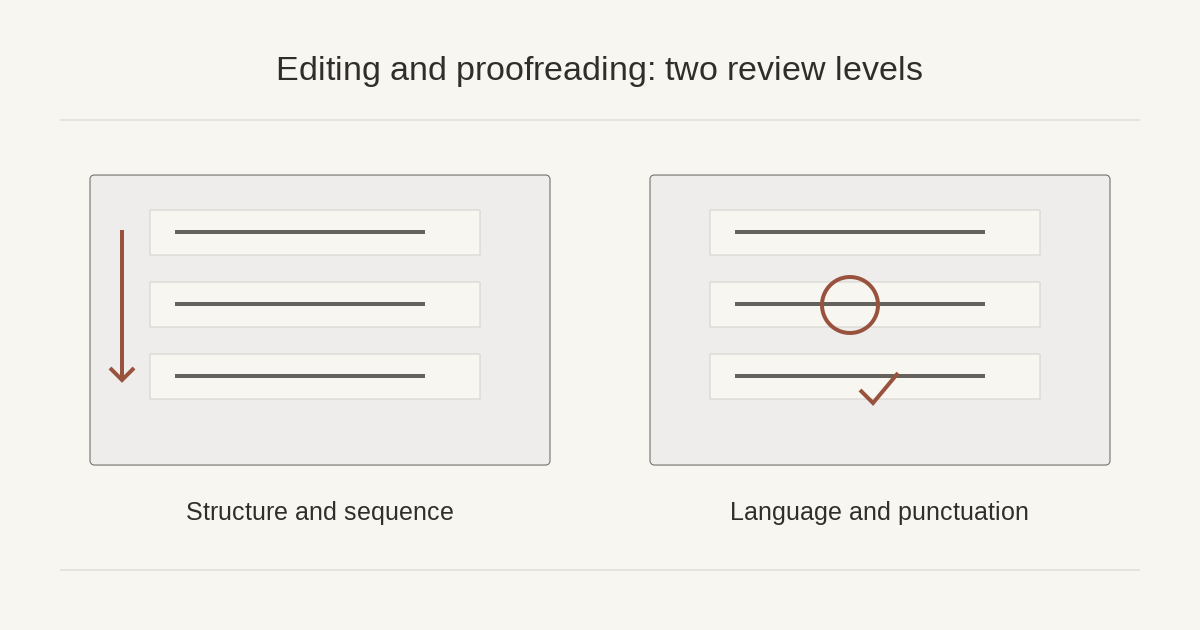 Quality Assurance
Understand levels of editorial intervention, final checks and the files and references needed to commission the right review.
Read the article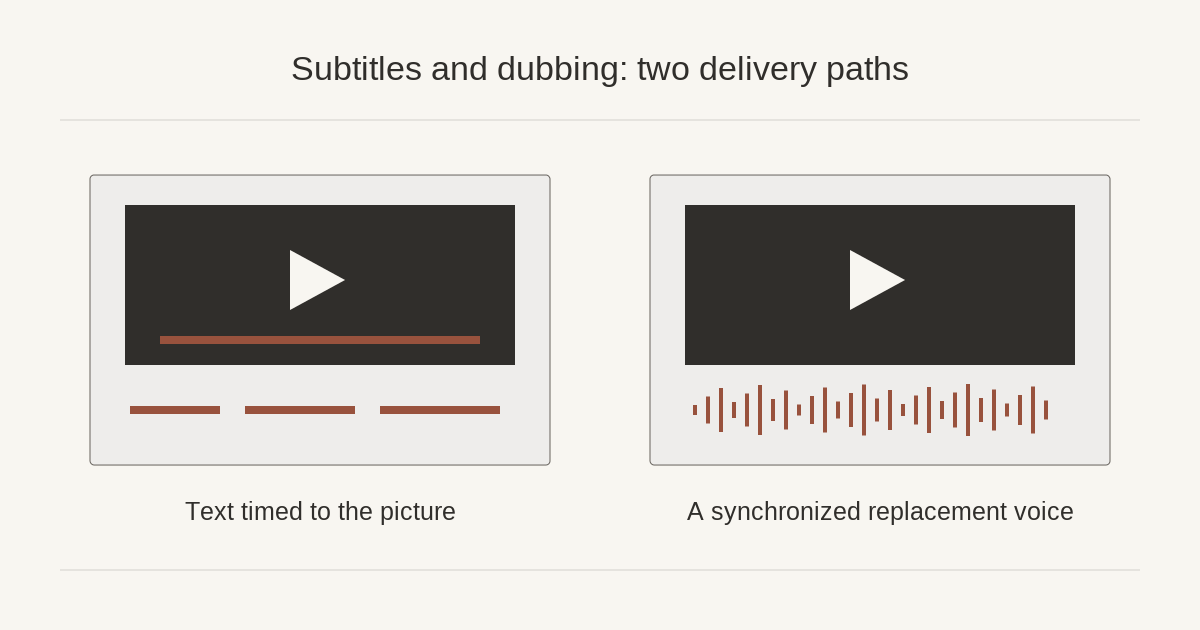 Translation & Localization
Compare subtitles, dubbing and accessibility captions, with a practical checklist for files, timing, review and delivery.
Read the article
Create a practical reference for writers and translators, covering voice, tone, terminology, bilingual examples and ownership.
Read the article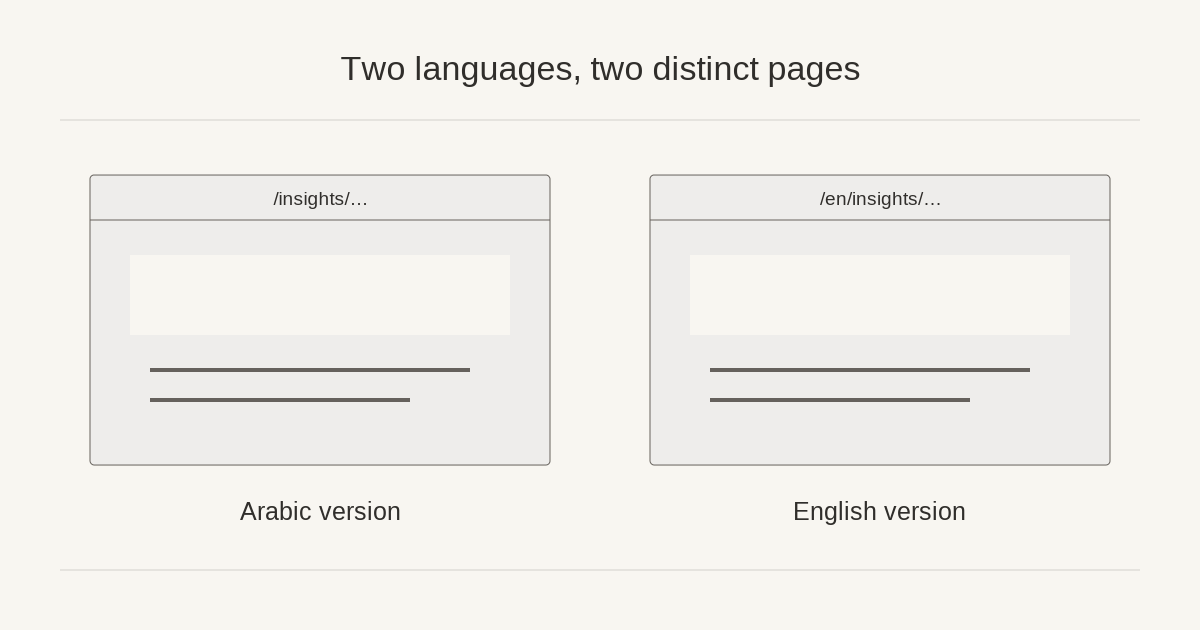 Translation & Localization
A translated page needs more than translated keywords. Align the content with local intent and connect the language versions accurately.
Read the article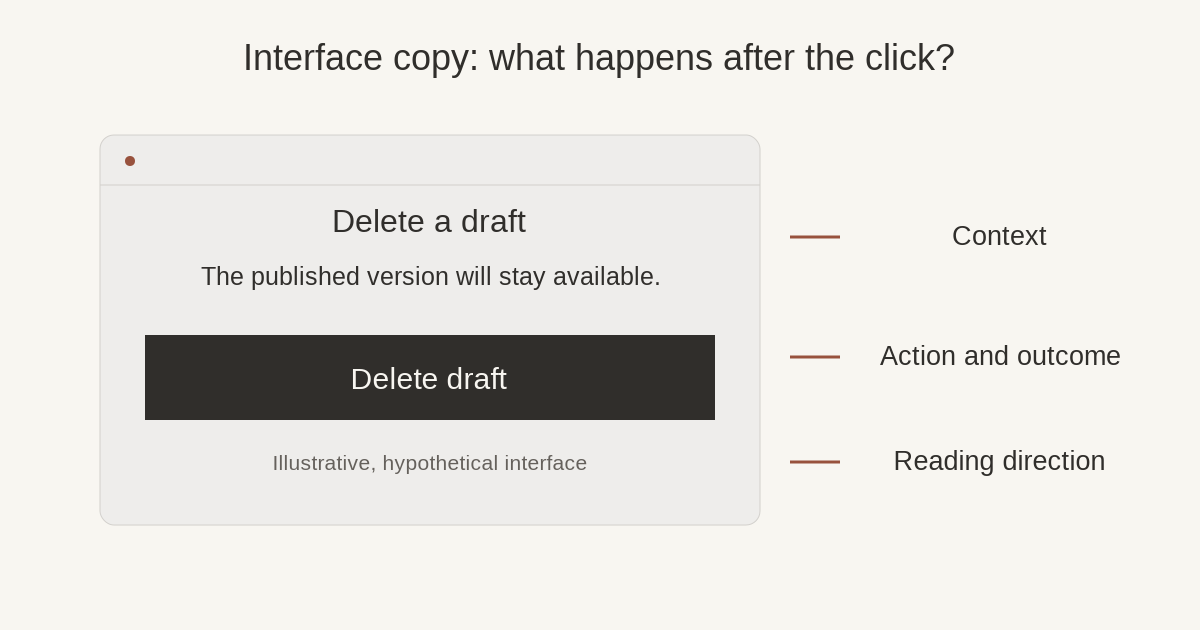 Translation & Localization
A button can be translated correctly and still describe the wrong action. Context turns isolated strings into useful interface copy.
Read the article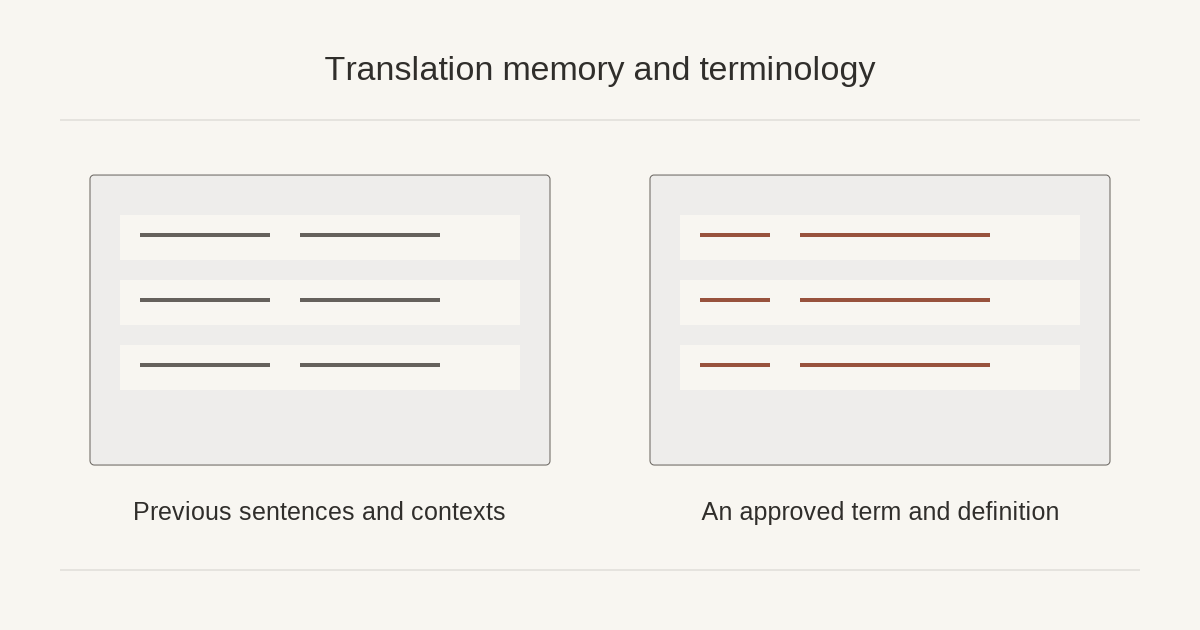 Translation & Localization
Reusing a sentence and approving a technical term solve different problems. Build resources that support decisions rather than repeat old mistakes.
Read the article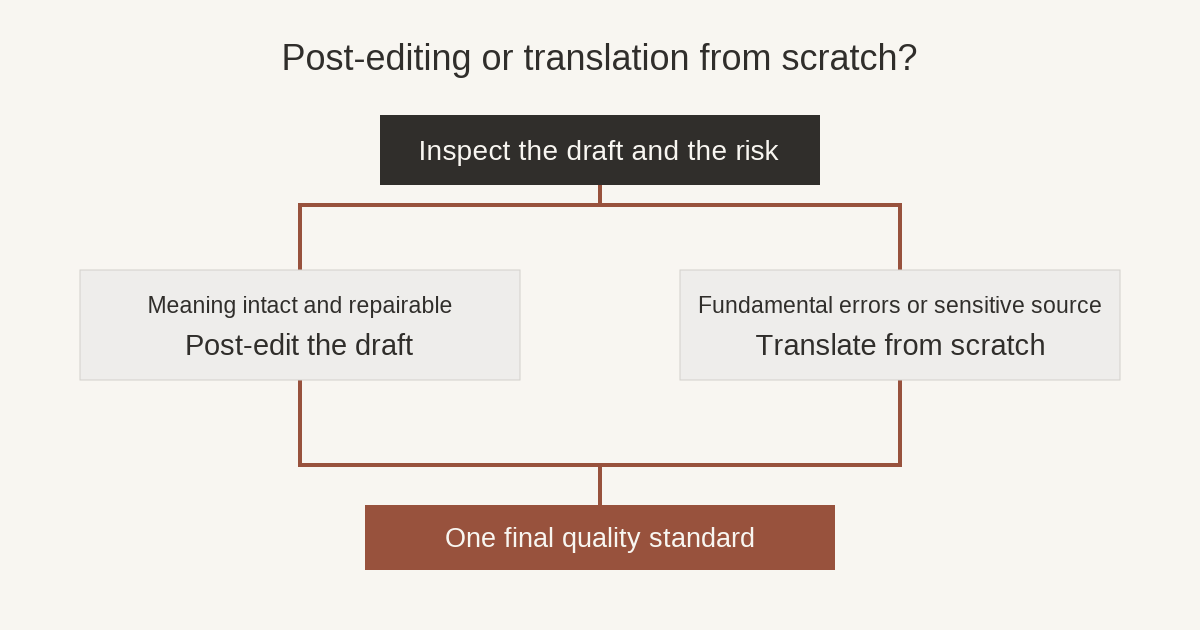 Translation & Localization
An existing draft does not mean most of the work is done. Test meaning and review effort before choosing a workflow or comparing fees.
Read the article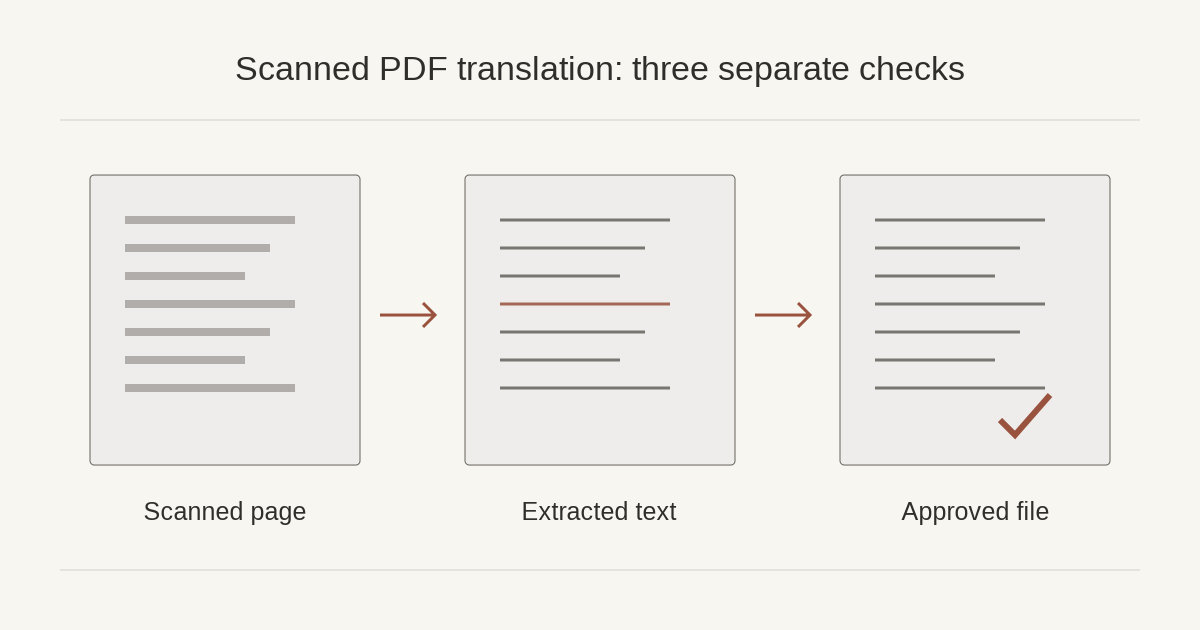 Translation & Localization
A practical guide to scanned PDF translation: check OCR text, define layout requirements and agree what preparation and final delivery include.
Read the article
A practical analysis of Arabic typography acceptance: clipping, spacing, reflow and the handover between content, design and development.
Read the article
Crowdin has introduced a way to automate interface captures and link them to source strings. Its strongest value is reducing guesswork; validating the localized build still requires its own tests.
Read the article
AlexandriaX moves dialect translation evaluation beyond isolated sentences to context, target variety and error type. Its leaderboard is a research signal, not proof of product readiness.
Read the article
A shared preference can reduce the work of telling AI providers whether content may be used for training. It does not automatically govern generated answers or enforce access.
Read the article
What is a custom model? A generative tool configured for a specific task and sometimes paired with selected company references. The article explains how organization, usage rights and review shape its value.
Read the article
New tools ask AI to review content as if it were a target customer. That can expose ambiguity or a mismatch in tone—but how do teams know whether the feedback reflects real readers?
Read the article
A polished page can lose information some readers need. Build accessibility decisions into authoring, translation and reuse, while keeping human review distinct from field completion.
Read the article
A finished-looking design may still require reconstruction for a simple revision. Define what must stay editable, then test the changes your next campaign will actually need.
Read the article
Compare traffic-based website translation subscriptions by usage limits, review work and portability. What Bablic’s announcement does and does not establish.
Read the article
What image provenance verifies, what it leaves to editors, and how to preserve the record across design, localization and publishing.
Read the article
France’s CNC aid rules recognize writing, performance and associated technical work. What this changes for localization scope, budgets and approval.
Read the article
Game context can change while translation instructions stay fixed. How to define retest triggers and separate workflow approval from batch acceptance.
Read the article
How fluent AI-generated Arabic can change financial claims, and how task-specific review can preserve conditions, attribution and uncertainty.
Read the article