Short answer
What does a website translation subscription actually buy?
Two websites can contain the same number of words and create very different localization workloads. One serves a large audience with stable information. The other reaches fewer readers but continually changes specialist content. Traffic-based pricing makes audience activity central to the platform bill. The effort needed to keep the published language correct follows a different pattern. Buyers need a budget that can explain both.
TransPerfect announced a version of Bablic for small and medium-sized businesses on 3 November 2026, highlighting traffic-based plans rather than word-count quotas. The useful question is whether removing word counting makes the whole localization operation cheaper, or makes one part of it easier to forecast. This analysis examines public documentation; it is not a product test or a comparison of negotiated quotes.
Compare deliverables before comparing subscription totals
A platform subscription and a translation project quote purchase different things. The former may cover serving localized pages and providing tools within usage limits. The latter may cover producing and approving a defined body of content. Calling both a translation price obscures the distinction. A low subscription total can coexist with substantial work on important pages, terminology decisions and interface review.
Weglot provides a useful counterexample to a simple words-versus-visits comparison. Its pricing page describes a total allowance of unique translated words across languages that does not renew monthly. It also lists monthly translation requests, approximately equivalent to translated page views. A plan can therefore contain several constraints. Read the unit, period and language aggregation rule for each one before putting competing offers in the same spreadsheet.
The procurement task is to establish a comparable service boundary. Specify what the platform will operate, what your own team will approve and what a language partner will deliver. Only then can you identify a missing item rather than mistaking it for a saving. This is a recommendation about scope, not evidence that any named vendor systematically leaves work out.
A visit, a page view and an allowance need clear definitions
Bablic’s pricing page describes monthly visits; its FAQ refers to visits to translated pages, while the traffic selector is labelled overall site traffic. Its plan-selection guide, updated on 12 August 2026, explains that overall traffic determines a separate translated-traffic allowance. Buyers should distinguish the figure used to select a plan from the limit that governs actual usage.
Ask for a written explanation of the allowance on your account and how repeat views, automated traffic and different languages are counted. The reviewed documents do not establish a complete answer for all these cases. The pricing FAQ says exceeding a tier will not take the translated site offline and that the team will discuss a suitable plan. That is useful information, but it does not by itself price the next period of growth.
Editorial effort can grow while audience traffic stays flat
Consider a hypothetical business with an English and Arabic help centre. It adds a returns explanation, then changes an eligibility condition the following week. Traffic might remain similar, yet someone must identify the changed claim, update both versions and check the linked form and confirmation message. This is an illustrative scenario, not a Sard experiment or an observed result from either platform.
Now consider a stable company information page that attracts more readers after a successful campaign. A traffic-based subscription may move toward another tier even though editorial work barely changes. Neither case proves that one billing model is superior. Together they show why the variable that moves a platform bill may differ from the variable that consumes a reviewer’s time.
The significance of an edit also matters. A small change to a button can alter a user’s expectation, while a long explanatory addition may preserve an existing decision. A practical content inventory can distinguish frequent changes from consequential changes, then assign review accordingly. This is an editorial planning proposal; the sources do not provide a validated equation connecting those characteristics to localization cost.
Publishing another language is not evidence of search readiness
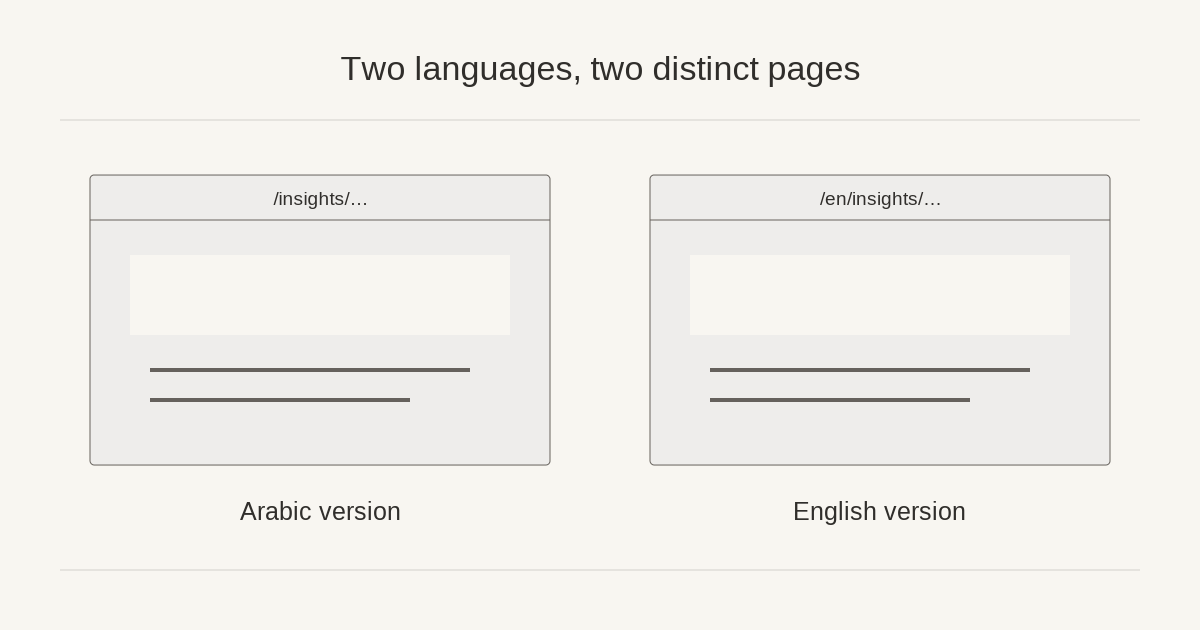
An easy subscription can encourage teams to activate more languages. Technical availability still needs a defined acceptance standard. Google recommends separate URLs for language versions and appropriate hreflang signals, and encourages links that let users choose another language. Its localized-version guidance requires reciprocal references. These principles help describe a working structure; they do not guarantee indexing or search rankings.
Write the intended outcome into the brief: an independent language URL, suitable titles and descriptions, functioning internal links and readable content inside the actual template. Review a representative journey, including an enquiry or registration path where relevant. A package label such as multilingual SEO cannot replace agreement about who checks each result. Nor does a successful language switch establish that every destination works.
Include continuity and exit work in the evaluation
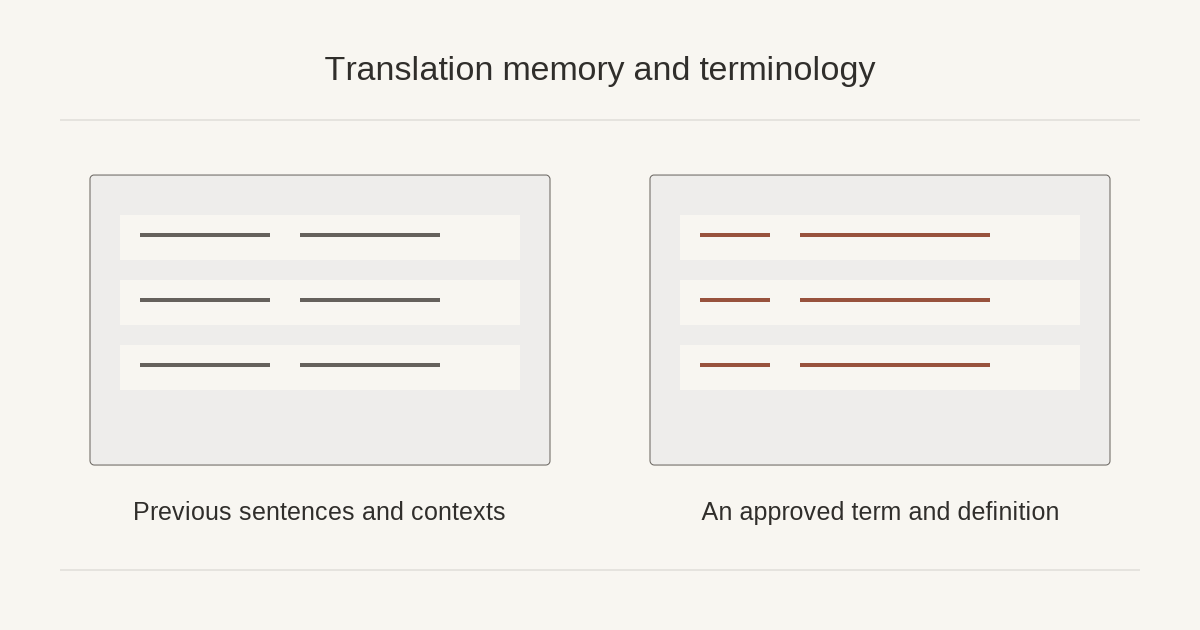
A manual correction or an approved term becomes more valuable if the next team can reuse it. Ask how those decisions can be extracted, what format they use and how they remain connected to the relevant source content. A visual editor alone cannot answer the portability question. Ownership of copy also does not establish that translated routes and delivery will continue functioning after a subscription ends.
Bablic’s migration guide, updated on 29 June 2026, describes replacing the legacy script and reviewing the new site before the final switch. It also describes moving human translations and glossary terms into the new project. Those instructions concern a move within the service. They are not evidence of an effortless exit to a competing supplier. The legacy pricing page already describes counting translated-content page views, so traffic pricing should not be presented as an invention that first appeared this month.
A small trial can include one manually corrected page and another whose source has changed. Establish what happens to the corrections and routes during a move. Retain the applicable usage definition and commercial terms with their review date. This keeps the exercise bounded while revealing questions that matter to continuity. There is no need to test an entire website to discover that a basic deliverable has not been explained.
When is a traffic-based plan a sensible choice?
The strongest objection to this caution is practical: word counting can create its own administrative burden, and a small team needs an understandable subscription. That is reasonable. Traffic pricing may fit a site with frequent publishing and a reasonably predictable audience, provided its limits and required features are clear. Another site may prefer content-based limits. Public documentation does not establish a universal winner or an Arabic-market cost result.
Build separate estimates for operating the platform, approving and maintaining language, and testing or moving the implementation. Consider an ordinary period, a traffic surge and a period of intensive content change. Compare what each offer delivers under those assumptions without declaring savings before a trial. The question after launch is whether an accurate, approved update now has a clearer resource requirement, or whether a simpler invoice has left the uncounted work scattered across editors and developers.
Sources and further reading
- TransPerfect — Bablic launch announcement (3 November 2026)
Company-issued announcement distributed by PR Newswire; establishes the date and positioning, not independently measured costs.
- Bablic — Pricing (reviewed 15 November 2026)
Live commercial information can change. Selector wording and FAQ explanation require clarification for a particular account.
- Bablic Help — How to choose the right plan (12 August 2026)
Explains overall traffic selection versus translated-traffic allowance; examples do not establish every account’s entitlement.
- Weglot — Pricing (reviewed 15 November 2026)
A separate supplier’s primary documentation shows multiple usage constraints. It is not a like-for-like price ranking.
- Bablic Help — Migrating from legacy Bablic (29 June 2026)
Describes migration within the service, not portability to another provider.
- Bablic — Legacy pricing
Legacy documentation already describes translated page-view counting; not used for current prices or an industry origin date.
- Google Search Central — Managing multilingual sites
Primary guidance on language URLs and switching; no ranking or per-page indexing guarantee.
- Google Search Central — Localized versions
Technical guidance on reciprocal annotations between language versions.